
Hidden Natural Wonders in San Diego Only Locals Know
There are the things everyone comes to San Diego for: the beaches, the weather, the sunsets. And then there are the things you don’t see unless someone tells you when to look.
San Diego changes throughout the year in quiet ways. The ocean glows. Fish run up onto the sand at night. Jellyfish drift through still water. Sharks gather in shallow coves. None of it is advertised on billboards. Most of it isn’t predictable down to the day. But locals know the patterns.
If you’re staying along the coast, especially in North County near Carlsbad, here are the natural moments worth watching for, and the seasons they tend to show up.
When the Ocean Glows Blue at Night
Every few years, and sometimes multiple times in a season, the water off San Diego lights up at night. It’s not neon or cartoonish. It’s flashes of electric blue that appear when the waves break or when you drag your hand through the water.
This is bioluminescence, usually tied to a red tide bloom. During the day, the water can look rusty or brownish. At night, when the waves move, the shoreline glows.
It usually happens in spring or early summer. March through September is the general window, but it’s never guaranteed. Some years it doesn’t show up at all. Other years it lasts for weeks.
Locals watch surf reports and ocean conditions. They wait for moonless nights. They go late, sometimes after 10 pm, when it’s dark enough to see the glow clearly.
Best places to look:
Carlsbad beaches
Encinitas
La Jolla
Occasionally Mission Bay
It’s quiet. It’s subtle. And when it’s there, you’ll know immediately.
Moon Jellyfish in Mission Bay
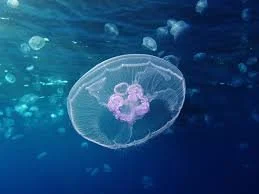
If you’ve ever walked a dock in Mission Bay and noticed clear, floating shapes drifting in calm water, you were probably looking at moon jellyfish.
They tend to appear in warmer months, especially late summer into early fall. They move slowly and gently. You’ll see dozens at a time when conditions are right.
The best time to see them is early morning, when the bay is still and there’s less boat traffic. You don’t need a tour or special gear. Just a dock and a few quiet minutes.
It’s one of those moments that feels almost accidental, like you stumbled into something you weren’t supposed to know about.
The Nights When Fish Run Onto the Beach
From spring through late summer, small silver fish called grunion come ashore at night to spawn. They ride waves onto the sand during specific high tides around full and new moons.
It happens quickly and without warning if you’re not paying attention. The beach looks normal, then suddenly fish are flopping in the wash.
Peak season is usually April through June, but runs can happen from March through August.
You don’t need anything special to witness it. Just check the tide schedule and show up after dark during the right window. Many locals simply watch. It’s strange the first time you see it, but it’s completely natural.
Leopard Sharks in Shallow Water
In the summer, leopard sharks gather in the shallow water at La Jolla Shores. They’re not aggressive. They prefer warm, sandy-bottom areas and usually move calmly in groups.
This happens most consistently from late June through September.
Early mornings are best if you want clear water. From shore, you can sometimes see them cruising through knee-deep water. From a kayak or snorkel setup, you’ll see even more.
It’s one of the most surreal experiences in San Diego, standing in warm water with dozens of harmless sharks moving around you.
Whale Migration Season
From December through April, gray whales pass along the San Diego coastline during their annual migration.
You don’t need a tour to see them, although boat tours increase your odds. On clear mornings, you can spot spouts from coastal cliffs or elevated trails.
January and February tend to be peak months.
Some of the best viewing points are:
Coastal overlooks in North County
Torrey Pines
Cabrillo National Monument
It’s subtle. A spout in the distance. A tail in the water. But once you see one, you start scanning the horizon differently.
Tidepool Season (Winter and Early Spring)
The most active tidepool season usually lines up with winter and early spring, especially during minus tides.
When the tide pulls back far enough, the rocks reveal sea stars, anemones, hermit crabs, and small fish trapped in shallow pools.
You’ll need to check tide charts. Early morning minus tides are often the best. South Carlsbad and La Jolla have strong tidepool areas when conditions line up.
It’s quiet, slow exploring. You walk carefully. You look closely. And suddenly the coastline feels alive in a way most visitors never notice.
The Flower Fields in Early Spring
Every spring, the hills near Carlsbad fill with bands of color. The Flower Fields usually bloom from early March through early May.
Timing depends on weather. Warm winters push blooms earlier. Heavy rain changes density. The window is short.
If you’re here in late February or early March, check bloom reports. When they’re fully open, it’s one of the most visually dramatic scenes in North County.
Paragliders at Torrey Pines
On clear afternoons with steady coastal wind, paragliders launch from the cliffs at Torrey Pines Gliderport.
It’s not seasonal in the same way as the others, but conditions matter. Late afternoon light makes it better. Watching the gliders float along the coastline feels almost slow-motion.
It’s one of the most quietly impressive things you can do without spending money.
The Pattern Behind All of It
None of these moments are guaranteed. That’s the point.
They depend on:
Water temperature
Tides
Moon phases
Wind
Rainfall
The difference between a rushed weekend trip and a meaningful coastal stay is flexibility.
When you stay along the coast — especially in Carlsbad vacation rentals, you’re positioned between North County and San Diego. You can adjust your plans. You can wait for the tide to drop. You can check conditions before heading out.
If you’re still deciding where to stay for that kind of flexibility, start here.
And if you want to plan your trip around these seasonal moments, you can check availability here.
